2021 VOCAL RESIDENCY
Share
Residency open to singers and pianists up to 30 years old on 1st January 2021
The Académie du Festival d’Aix owes its reputation to its vocal residency. Every summer, an advanced vocal programme is offered for singers and piano accompanists, based on the Mozartian repertoire – for which the Festival d’Aix has been famous since its beginnings—and lieder, baroque music, French melody and contemporary creation.
This residency provides artists with career development tools, and aims to consolidate singers’ vocal technique in a variety of repertoires, and to strengthen piano accompanists’ skills in supporting and advising singers. Revelling in the incredible sense of emulation that reigns at the heart of the Festival, each participant will be given the opportunity to perform in front of different audiences, and will benefit from professional expertise in outreach.
The Canadian soprano EDITH WIENS has been chosen for a second edition to lead this 2021 vocal residency. She is a teacher at the Juilliard School of Music in New York, and her tuition methods have set the benchmark for the world of lyrical singing. Renowned piano accompanists such as EMMANUEL OLIVIER and MARCELO AMARAL will work with the pianists participating in the residency.
This vocal residency ends with a unique concert featuring the participants and the Balthasar Neumann Ensemble conducted by DUNCAN WARD, will round off the residency, during the opening weekend of the Festival d’Aix-en-Provence in July 2021.
Singers and piano accompanists in the residency will also be privileged partners with the young conductors participating in the Mentorship programme for conductors interested in directing opera.
TUTORS
Edith Wiens — Vocal professor at the Juilliard School of Music & Artistic director at the Internationale Meistersinger Akademie
Duncan Ward — Conductor
Emmanuel Olivier — Vocal coach pianists
Marcelo Amaral — Vocal coach pianists
PARTICIPANTS
10 singers: Marianne Croux, Lila Dufy, Clara Guillon, Victoire Bunel, Gemma Ní Bhriain, Emily Sierra, Ian Castro, Amitai Pati, Luvuyo Mbundu, Jusung Park
3 vocal coach pianists: Juliette Journaux, Armelle Mathis, Kotona Sakurai
DOWNLOAD THE BIOGRAPHICAL BOOKLET
DESCRIPTION
— Master classes in vocal development by Edith Wiens
— Work on concert programmes, including one with orchestra with Duncan Ward
— Some master classes (held in English) may be open to the public.
— Musical meetings with specific or school-based audiences in conjunction with the Festival’s Passerelles services.
— Concerts and public events in June within the Festival Aix en juin in Aix-en-Provence and the surrounding area.
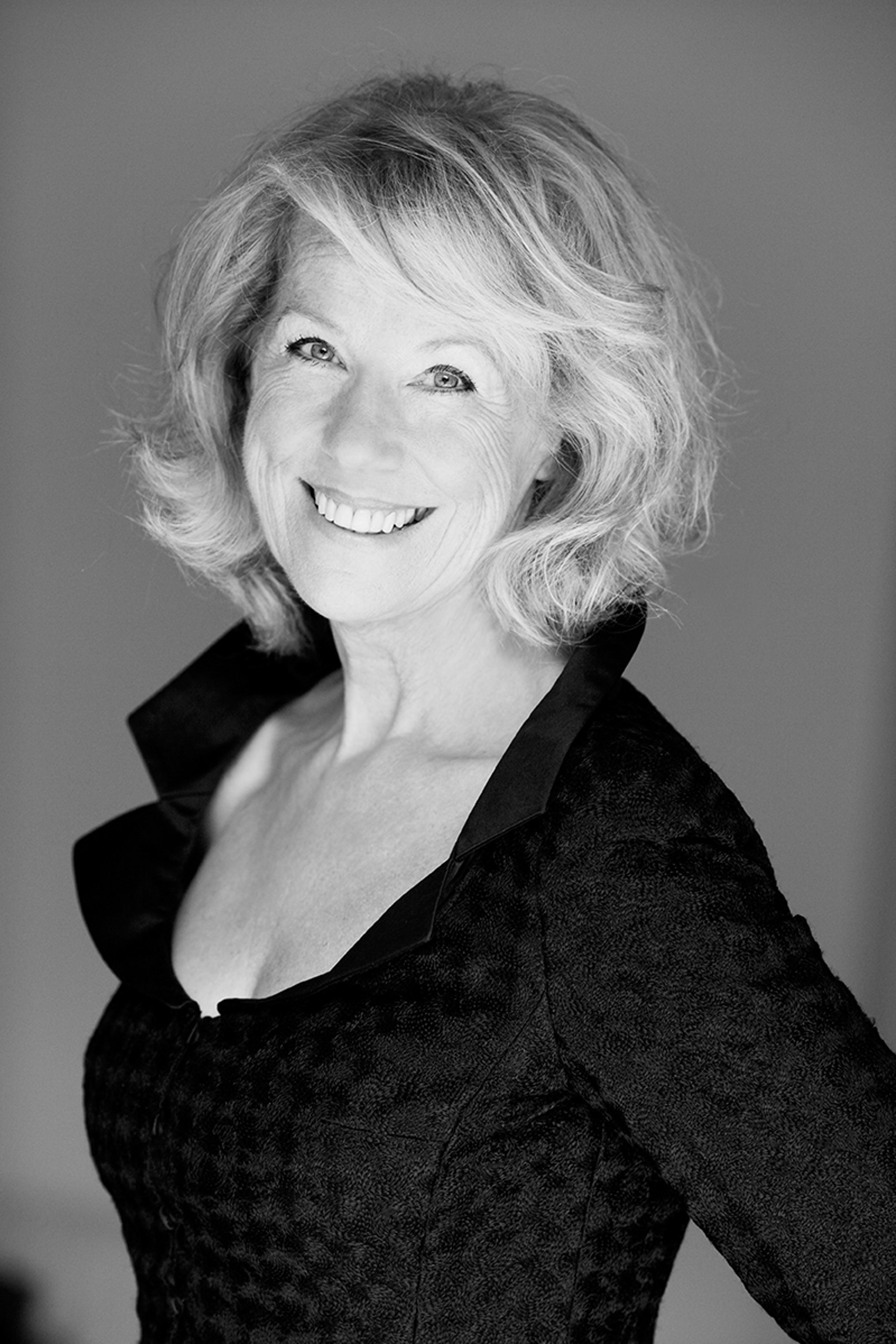
Edith Wiens
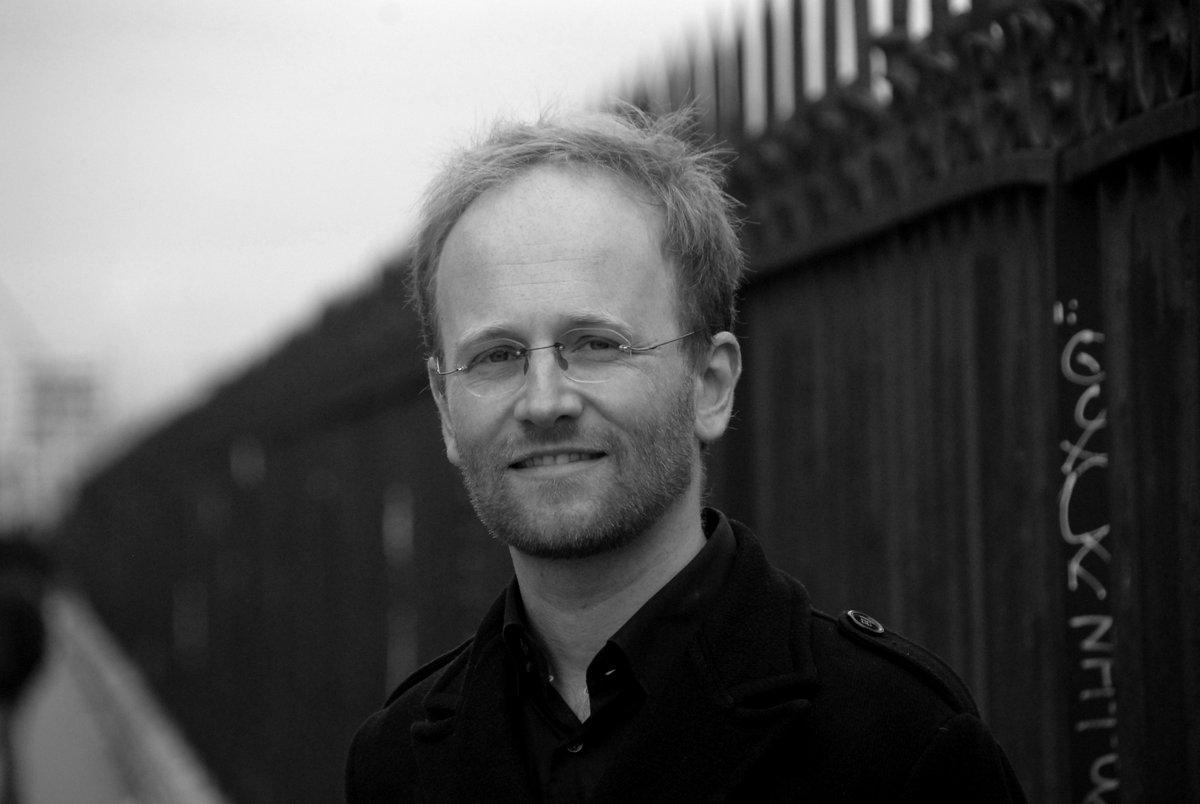
Emmanuel Olivier© Nima Yeganefar
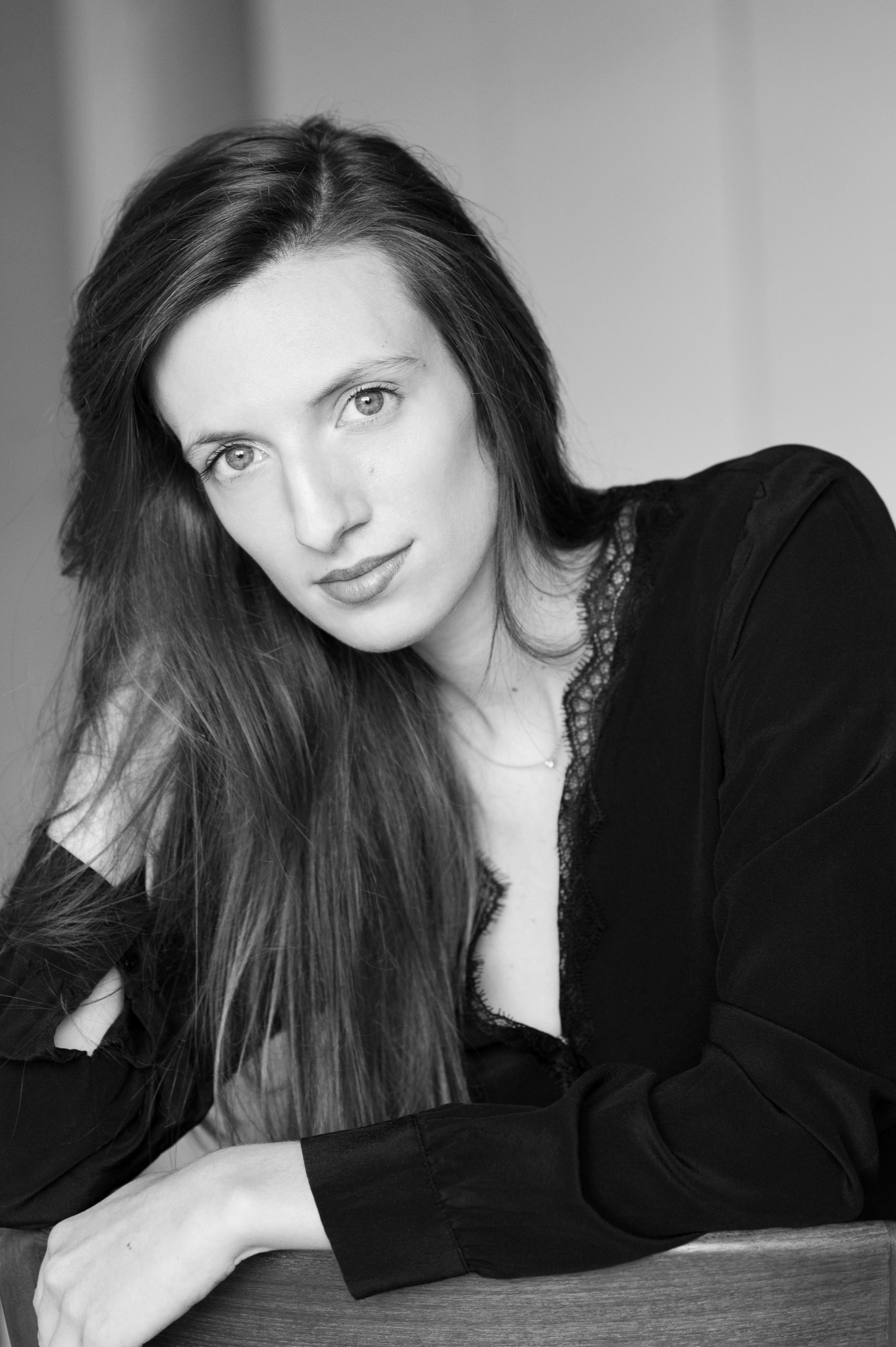
Victoire Bunel — Mezzo-soprano — 2021 Vocal Residency© Stéphanie Braunschweig
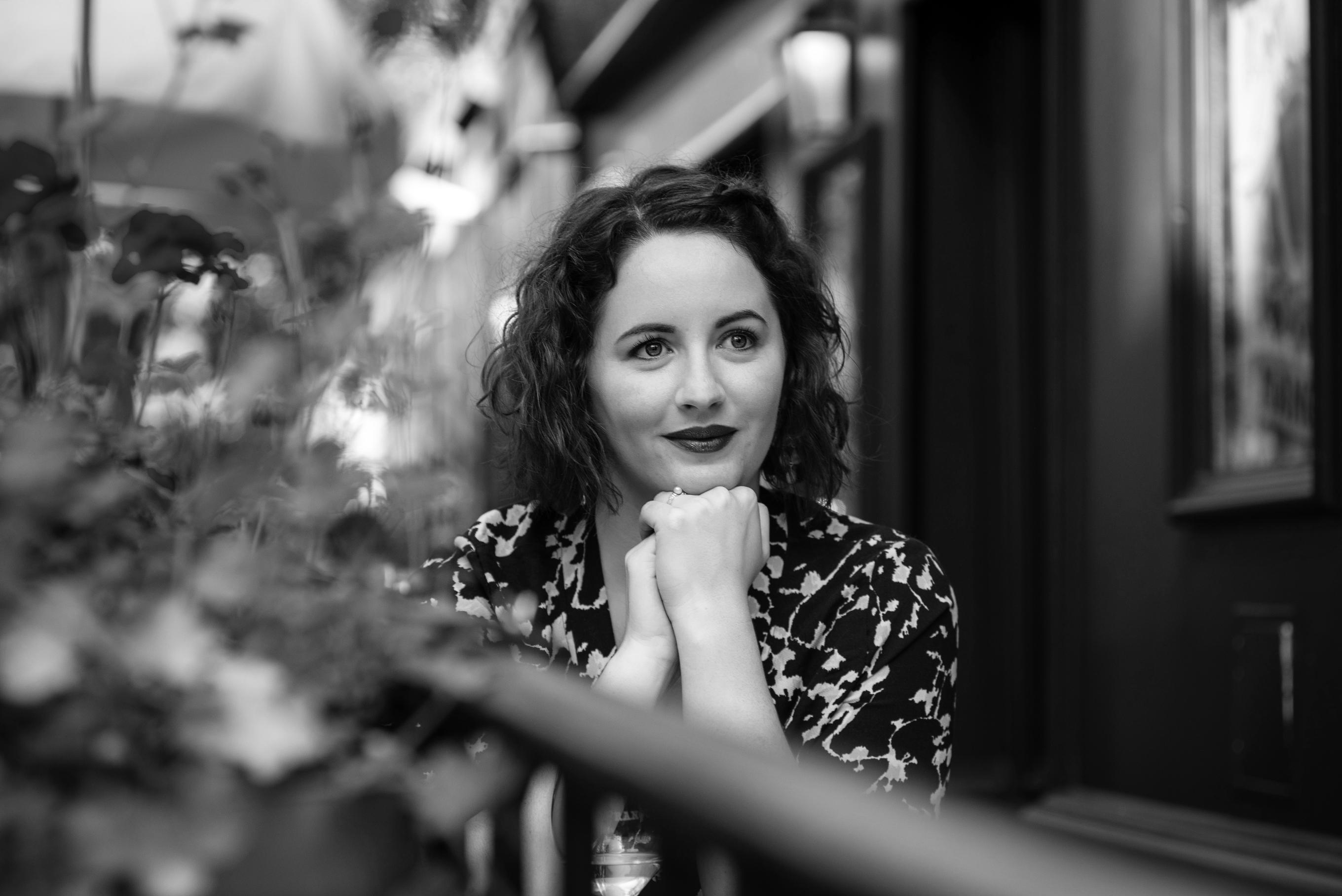
Marianne Croux — Soprano — 2021 Vocal Residency© Andrey Chuntomov
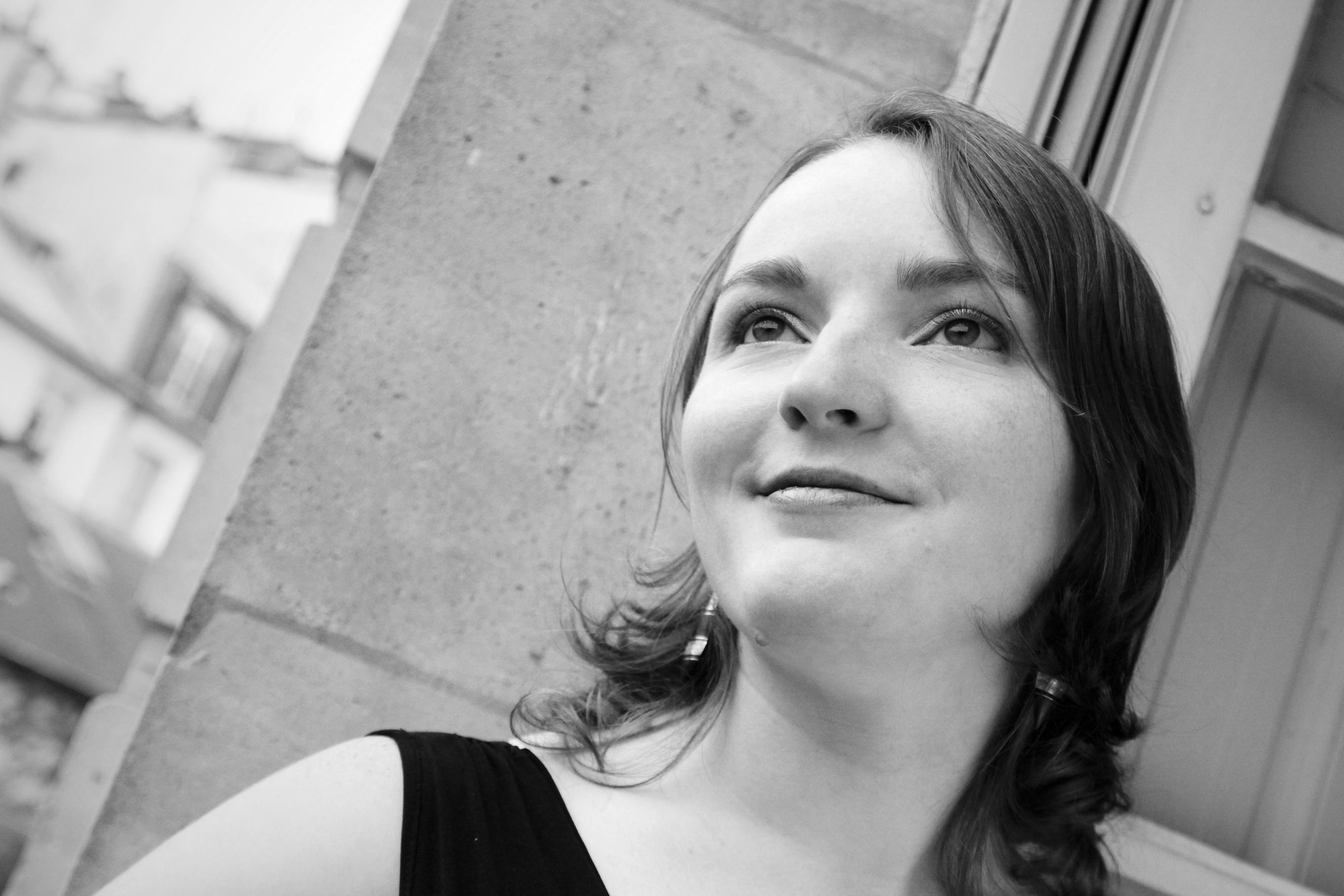
Armelle Mathis — Pianist — 2021 Vocal Residency
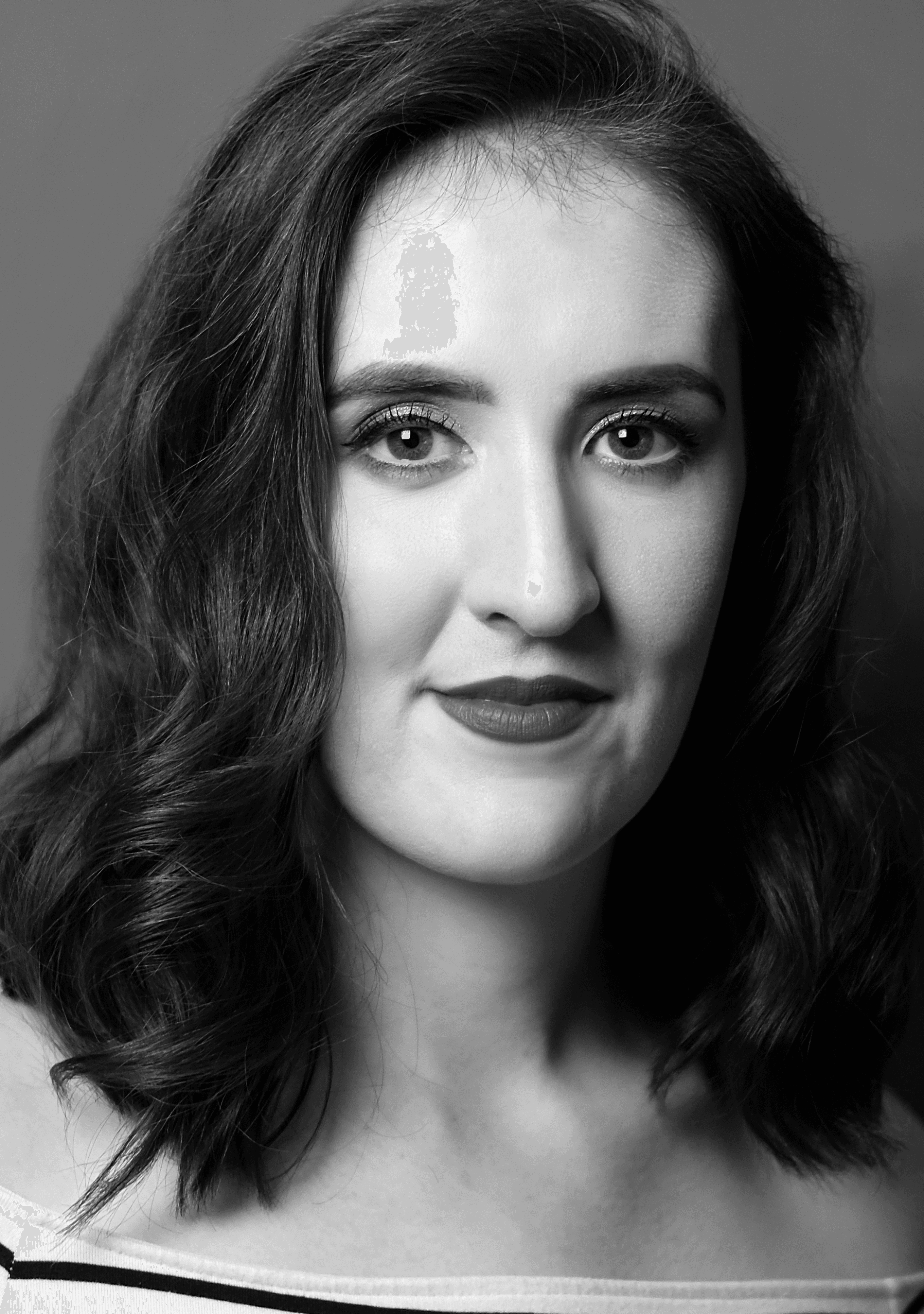
Gemma Ní Bhriain — Mezzo-soprano — 2021 Vocal Residency
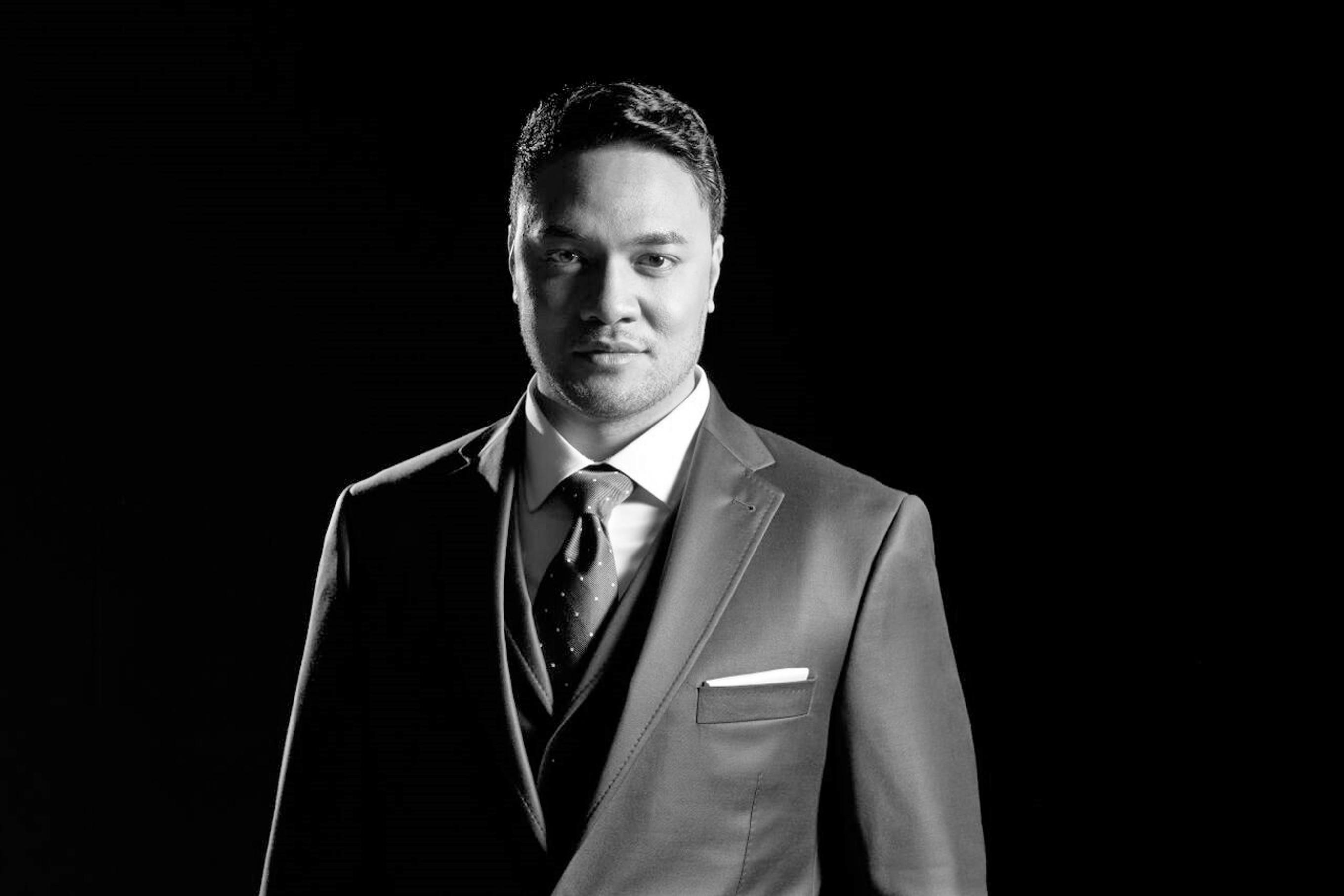
Amitai Pati — Tenor — 2021 Vocal Residency© Garth Badger
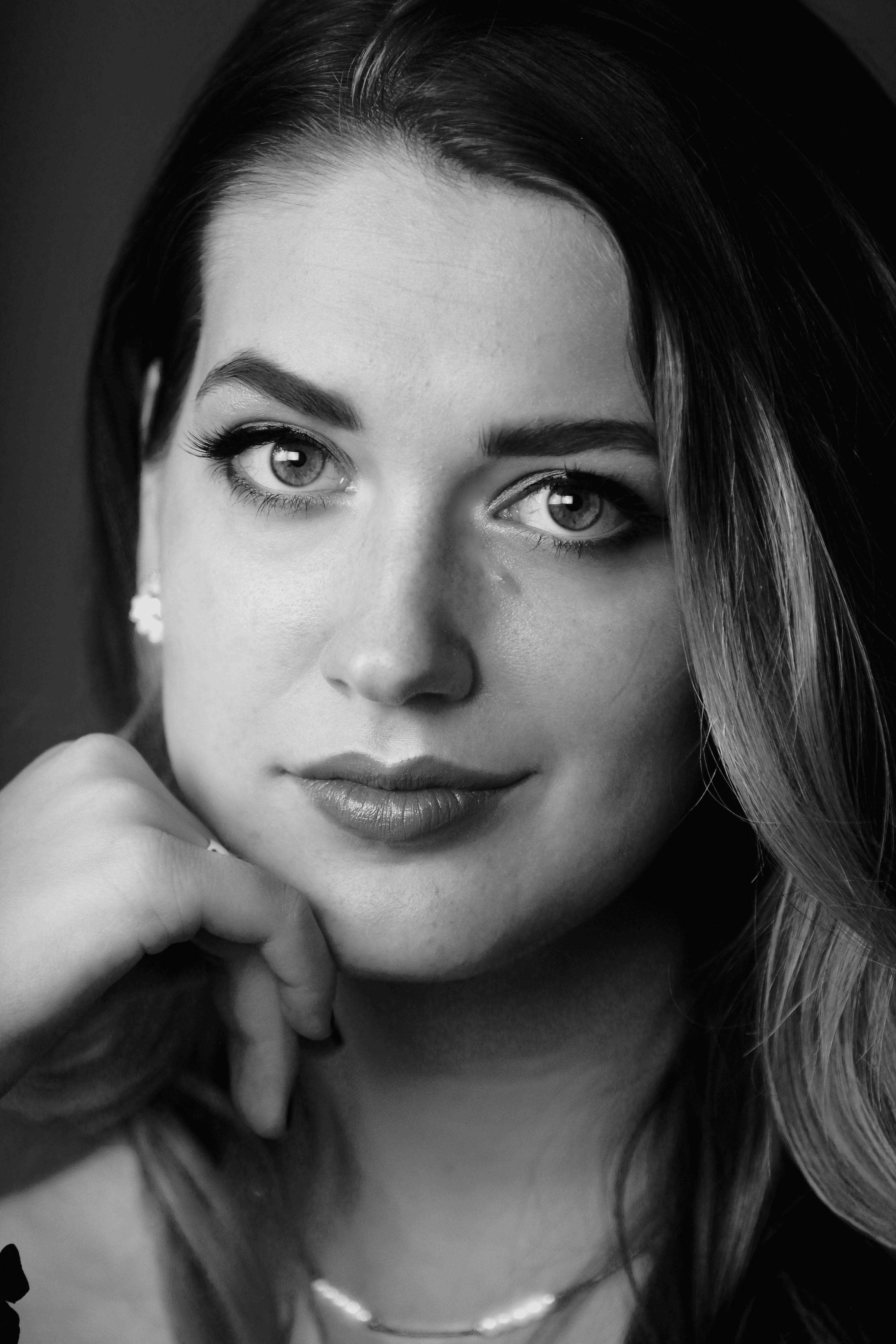
Emily Sierra — Mezzo-soprano — 2021 Vocal Residency
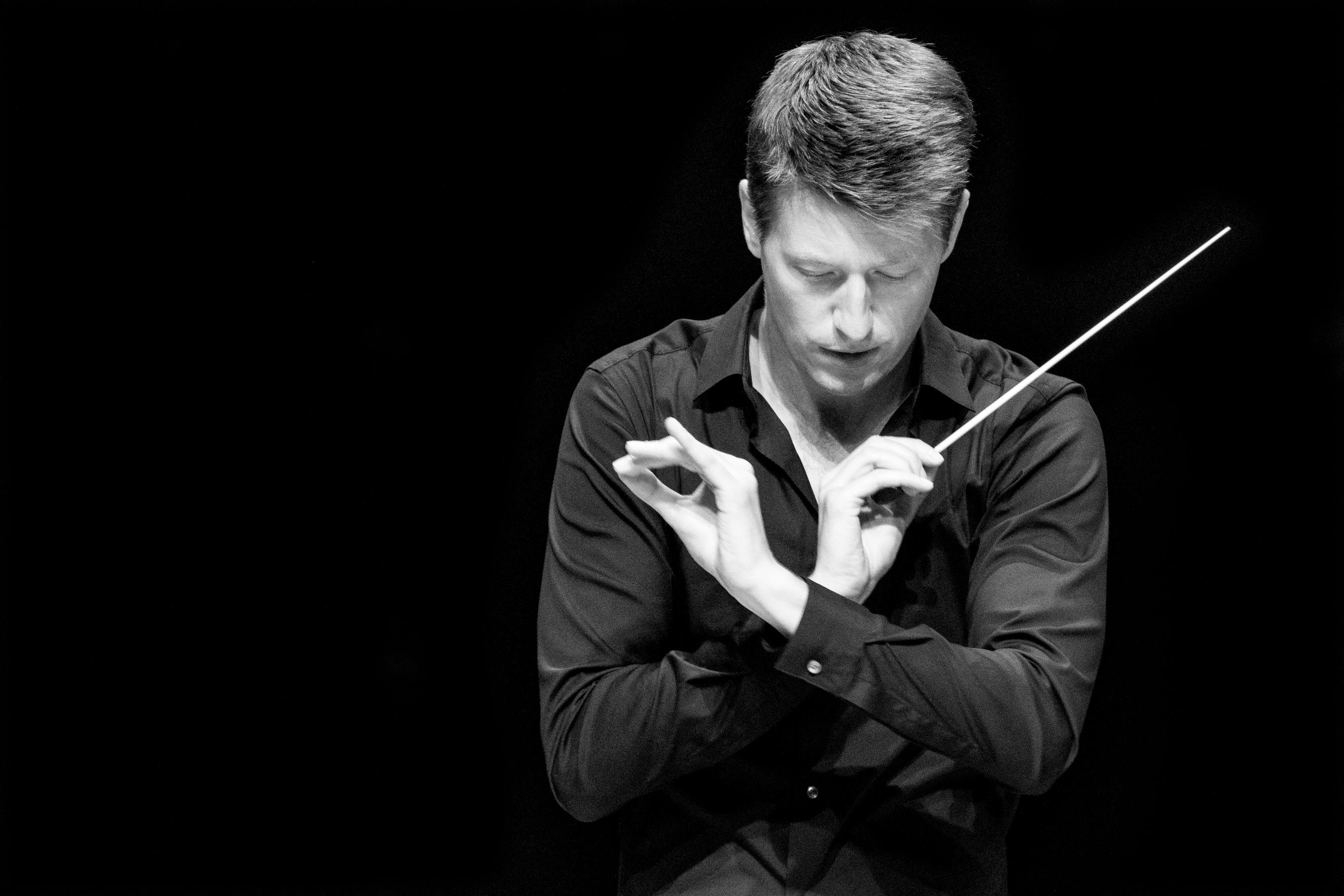
Duncan Ward© Alan Kerr
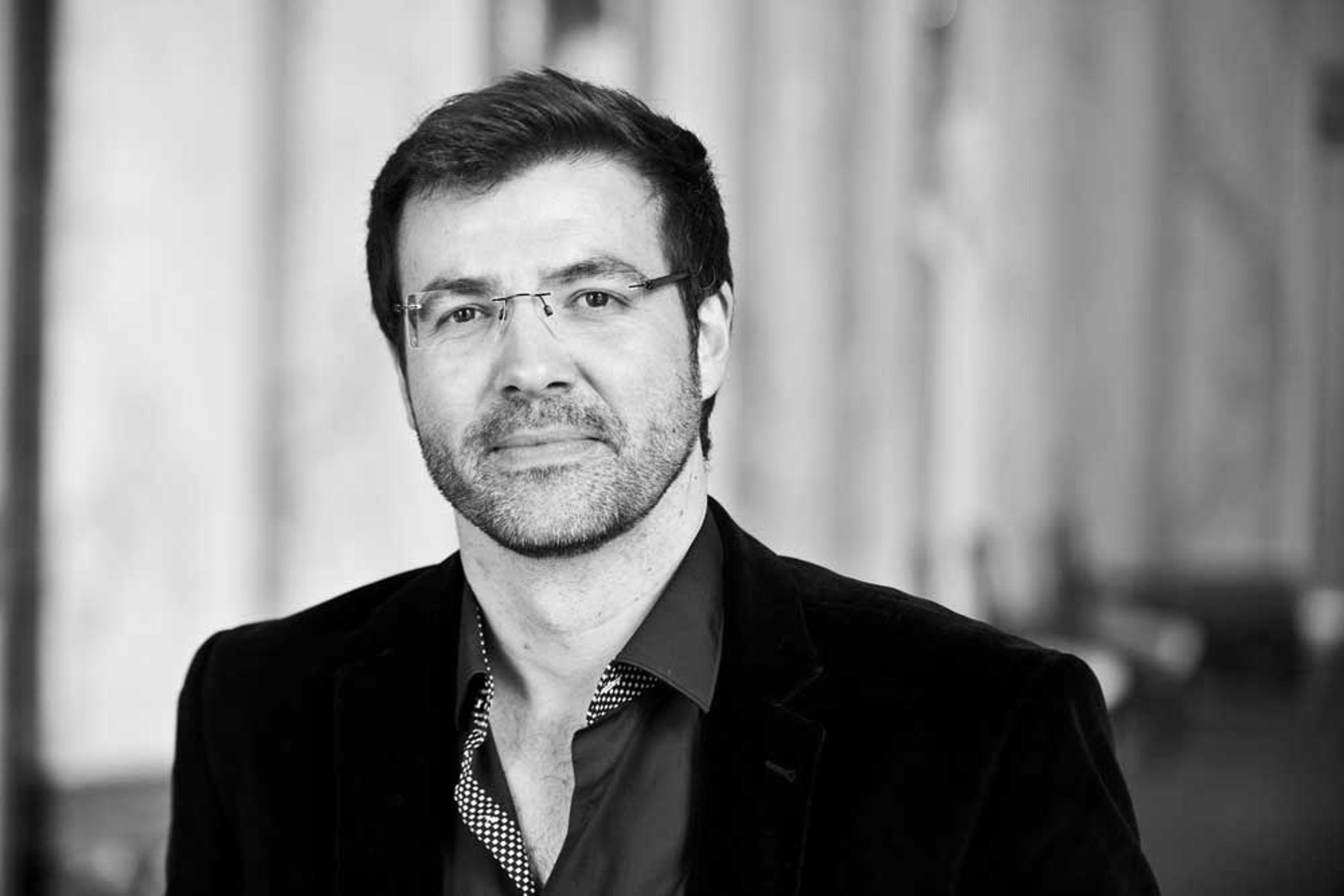
Marcelo Amaral© Reiner Pfisterer
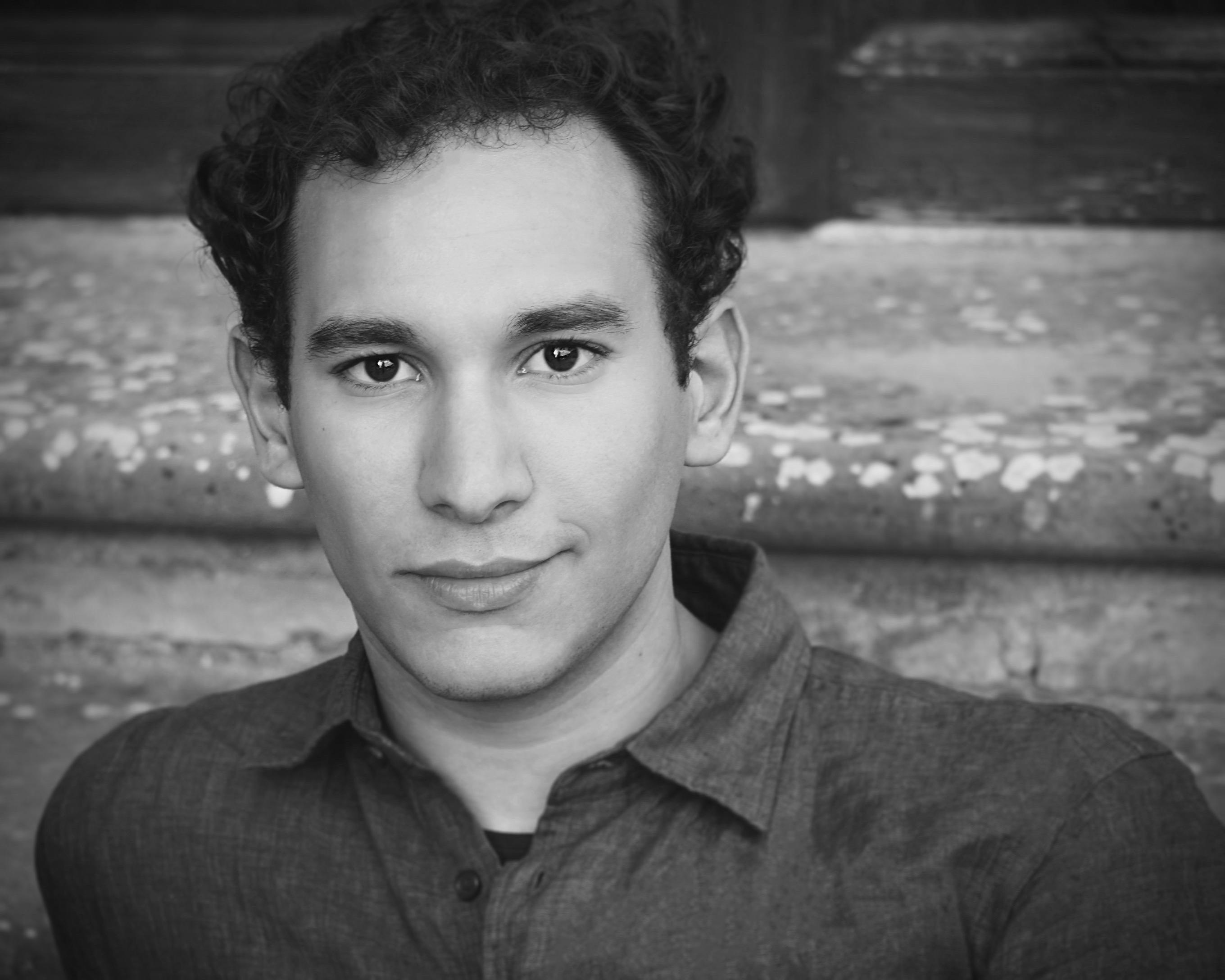
Ian Castro — Tenor — 2021 Vocal Residency

Lila Dufy — Soprano — 2021 Vocal Residency
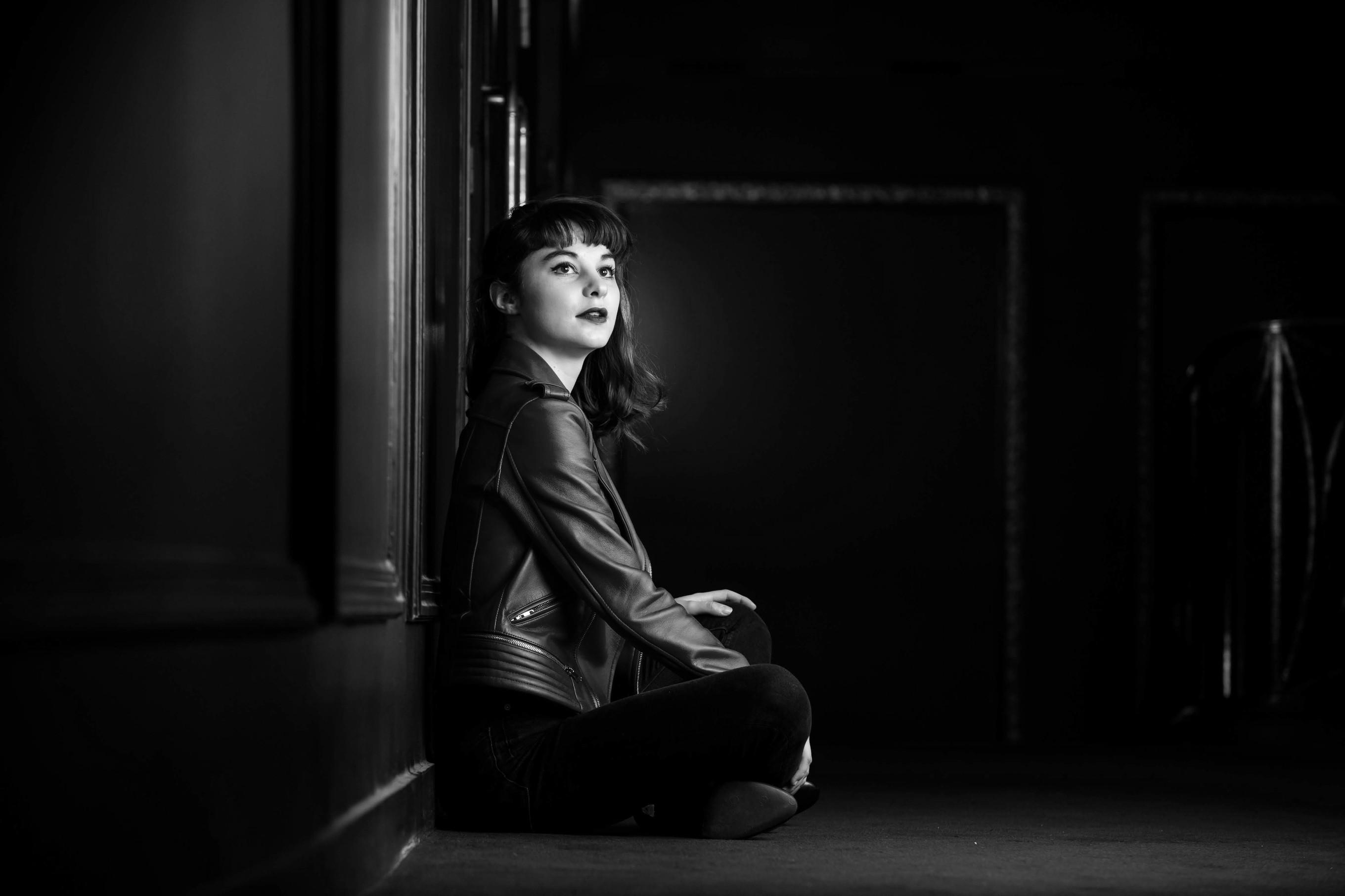
Juliette Journaux — Pianist — 2021 Vocal Residency© Julien Benhamou
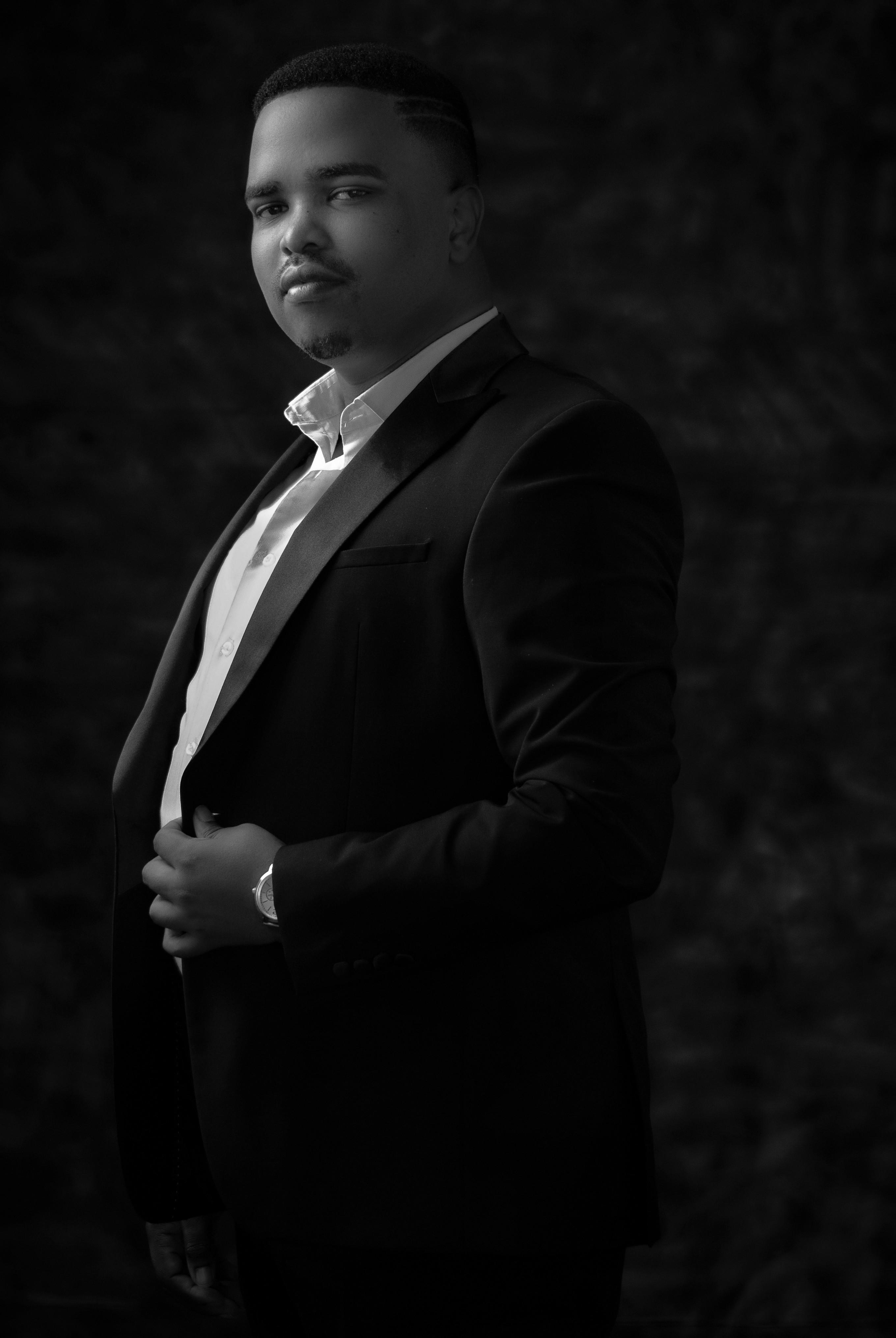
Luvuyo Mbundu — Baritone — 2021 Vocal Residency
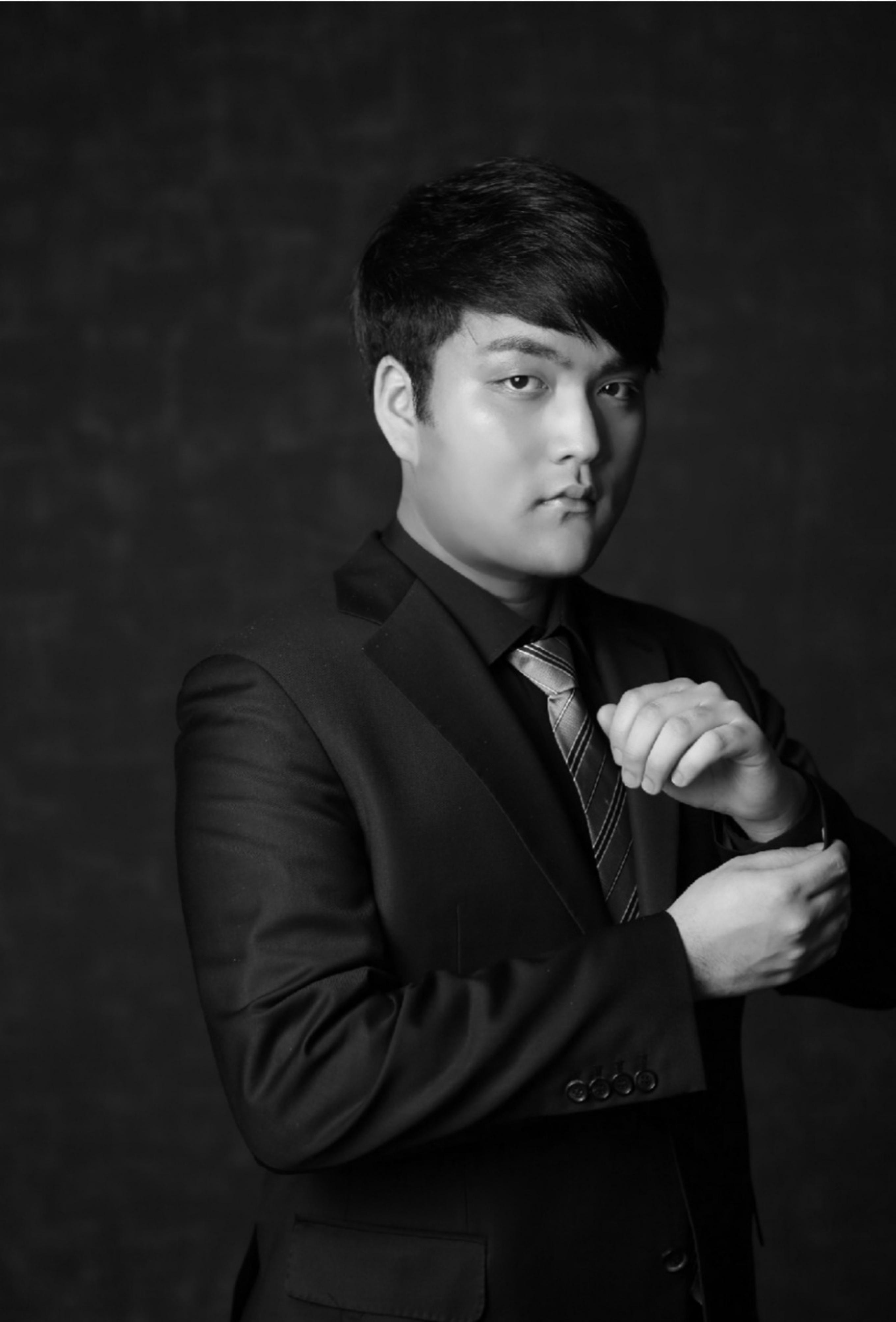
Jusung Park — Baritone — 2021 Vocal Residency© Kakao Talk
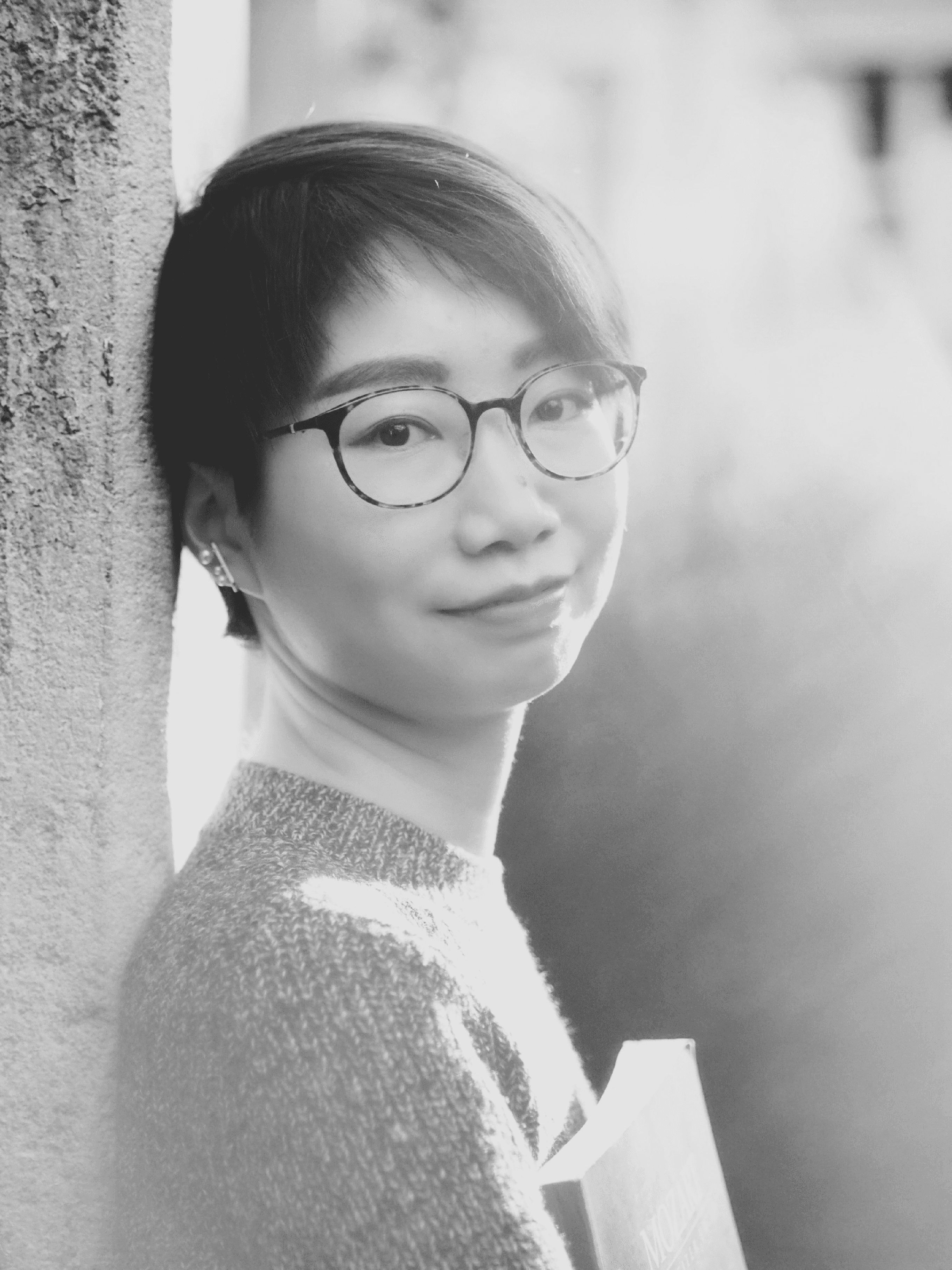
Kotona Sakurai — Pianist — 2021 Vocal Residency
